Source Traditional Chinese Aluminum Pavilion for Villa Courtyard, Garden, Self-Built House
Compare 30 traditional chinese aluminum pavilion options featuring aluminum alloy frames, waterproof ratings, and customizable designs. Buyers can evaluate specifications like wind resistance, snow loading, and optional electric motorized features for villa courtyards, self-built house gardens, and blockhouses.
Key considerations
Products List







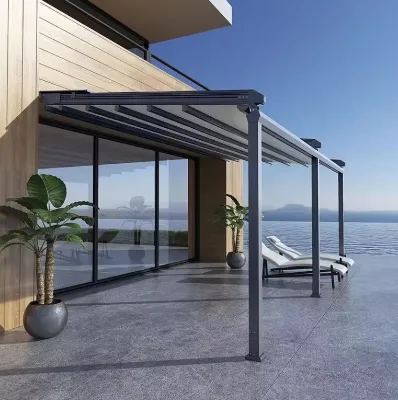
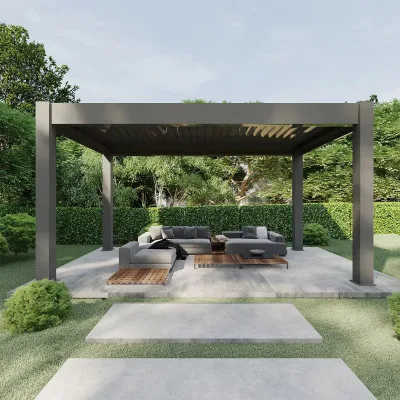
Comprehensive Sourcing Guide
Traditional Chinese Aluminum Pavilion Sourcing Guide
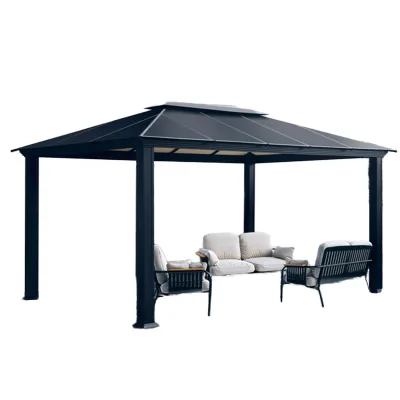
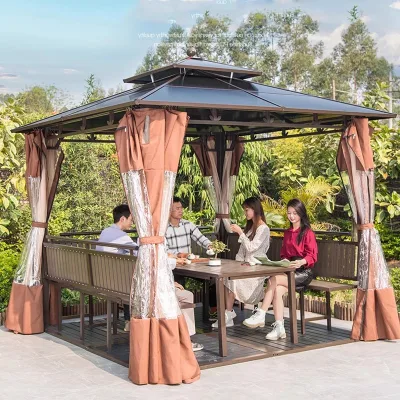
The traditional Chinese aluminum pavilion represents a specialized fusion of heritage architectural aesthetics and modern material engineering, designed primarily for villa courtyards and self-built house gardens. These structures utilize aluminum alloy frames to replicate the intricate, multi-cornered shapes characteristic of classical Chinese pavilions, such as four-cornered and six-cornered designs, while offering superior durability against the elements. Buyers should recognize that these units are often categorized under courtyard landscape solutions and are tailored for outdoor leisure, providing a functional space that balances cultural design with practical weather protection.
Procurement of these structures requires a clear understanding that while the visual style is traditional, the manufacturing process relies on contemporary industrial standards. The observed market offerings indicate that these pavilions are available in customized configurations, allowing for specific dimensions and color finishes like white, black, or brown to match existing architectural themes. Sourcing decisions must account for the fact that these are new, integral shape products that can be adapted to various venue requirements, making them suitable for both permanent installation and flexible outdoor living arrangements.
Product Scope and Observed Listing Signals
When evaluating product listings, buyers will encounter a range of aluminum alloy pavilions that vary significantly in their specific model numbers and structural dimensions. The observed product scope includes models with distinct identifiers such as NY-PAV-20260804-228 and NY-CP-016, which suggests a diverse inventory of designs ranging from standard sizes to fully customized OEM and ODM solutions. It is critical to verify the specific model against the intended application, as some listings may feature different aluminum thicknesses, such as 2mm or 3mm, which directly impacts the structural integrity and perceived quality of the final installation.
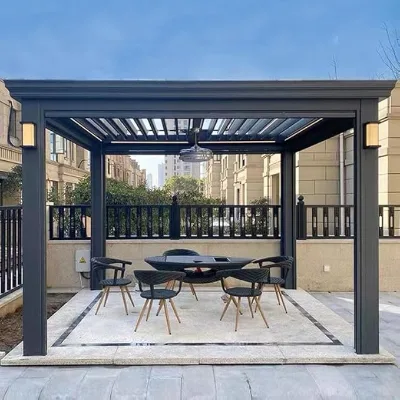
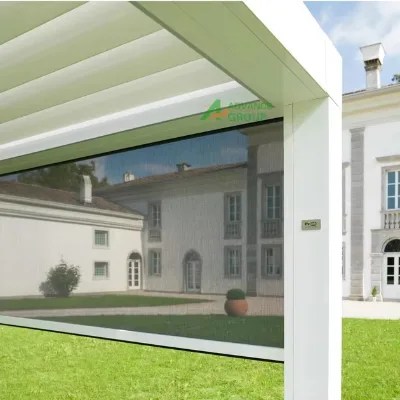
The product attributes observed in the market highlight a strong emphasis on customization and functional versatility, with many units offering optional items like zip screens, sliding glass doors, and LED lighting. These additions transform a basic shelter into a comprehensive leisure space, often equipped with electric or motorized operating types controlled via remote. Buyers should note that while the core structure is defined by its aluminum frame and PVC or PU-coated covers, the specific finishing processes, such as powder coating, and the availability of 3D effect design drawings are key signals of a supplier's capability to deliver a tailored aesthetic.
Technical Specifications to Verify
The structural integrity of a traditional Chinese aluminum pavilion hinges on the verification of frame material composition and profile specifications. Buyers must confirm that the frame utilizes 6063 T5/T6 aluminum alloy, a standard grade known for its strength-to-weight ratio, and ensure that the aluminum thickness aligns with the project's load requirements, as observed listings show variations between 2mm and 3mm. Additionally, the integral shape of the pavilion, whether four-cornered or six-cornered, must be validated against the site's spatial constraints to ensure the design fits the courtyard or garden layout without compromising the traditional aesthetic.
Environmental resistance capabilities are equally critical and require detailed verification of the waterproof rating, wind resistance, and snow loading capacities. Specific technical data points observed in the market include a waterproof rating of IP67, wind resistance ranging from 180 to 220 km/h, and snow loading capacities between 60 and 80 cm, though these figures should be treated as observations rather than universal guarantees. Buyers should also check the frame finishing process, typically powder coating, and the cover material, which may be PVC or PU coated, to ensure the selected unit can withstand the specific climatic conditions of the installation location.
Compliance and Safety Documentation
Ensuring that the aluminum pavilion meets safety and environmental standards is a fundamental step in the procurement process, particularly regarding the materials used in construction. While specific certification statuses like CE may be mentioned in broader market contexts, buyers must request explicit documentation for any formaldehyde emission standards or material safety data sheets provided by the supplier. It is essential to verify that the materials, including any wooden components or plywood used in the structure, comply with relevant environmental regulations, especially if the pavilion is intended for long-term residential use in a courtyard setting.
Safety documentation should also cover the operational safety of any motorized or electric components integrated into the pavilion, such as rain and wind sensors or remote-controlled mechanisms. Buyers need to confirm that the electrical systems, which may include LED lights and fans, adhere to local electrical codes and possess the necessary waterproof ratings to prevent hazards in outdoor environments. The presence of a rain and wind sensor is a significant safety feature that should be verified for its reliability and integration with the motorized operating type to ensure the structure can automatically retract or adjust during adverse weather conditions.
Cost Drivers and Commercial Terms
The pricing of traditional Chinese aluminum pavilions is influenced by a complex mix of customization levels, material thickness, and the inclusion of optional functional items. Buyers should anticipate a wide price range, as observed listings indicate costs can vary significantly based on whether the unit is a standard size or a fully customized design with features like sliding glass doors or specific color finishes. The decision to opt for a 3mm aluminum thickness versus a 2mm alternative, or to include a motorized system with a remote control, will directly impact the final commercial cost and should be weighed against the budget constraints of the project.
Commercial terms regarding delivery and packaging are equally important factors that affect the total cost of ownership and project timeline. Many suppliers offer door-to-door delivery options, which can simplify logistics but may come at a premium compared to ex-works terms. Packaging is another variable, with options ranging from customized wooden frames to solid plywood box packing, each offering different levels of protection during transit. Buyers must clarify the minimum order quantity (MOQ) and lead times, as these can vary from 1 unit to 100 units and depend on the complexity of the customization and the supplier's production capacity.
Supplier Qualification and Quality Control
Selecting a qualified supplier for aluminum pavilions requires a rigorous assessment of their manufacturing capabilities and quality control processes. Buyers should prioritize suppliers who demonstrate a clear origin in regions known for aluminum fabrication, such as Guangdong or Weifang in China, and who provide detailed specifications for their production standards. The ability to offer customized wooden frame packing and the availability of 3D effect design drawings are indicators of a supplier's commitment to quality and their capacity to handle bespoke orders that meet specific architectural requirements.
Quality control verification should extend to the finishing processes and the consistency of the aluminum profile grades used in construction. Buyers must ensure that the supplier adheres to strict standards for powder coating and frame finishing to prevent corrosion and maintain the aesthetic appeal of the traditional design over time. It is also advisable to request evidence of their production capacity, such as monthly output figures, to confirm that they can meet the project's delivery schedule without compromising on the integrity of the aluminum alloy or the precision of the custom shapes.
Long-Term Procurement Checks
Establishing a long-term procurement relationship for traditional Chinese aluminum pavilions involves setting up mechanisms for ongoing quality assurance and performance monitoring. Buyers should implement regular checks on the durability of the waterproof ratings and the functionality of the motorized systems to ensure they continue to perform as expected after installation. This includes verifying that the rain and wind sensors remain calibrated and that the electric components do not degrade due to exposure to the elements, which is critical for maintaining the safety and usability of the structure.
Future-proofing the procurement strategy requires maintaining open communication with the supplier regarding updates in material standards and design trends. As the market evolves, suppliers may introduce new aluminum alloys or improved coating technologies that offer better resistance to weathering or enhanced aesthetic options. Buyers should stay informed about these developments to ensure that any future expansions or replacements of their pavilion inventory align with the latest industry standards and continue to meet the high expectations of the end-users in villa courtyards and garden settings.
FAQs
What materials are used for the frame and cover?
The frame is constructed from 6063 T5 or T6 aluminum alloy with thicknesses of 2mm or 3mm. The cover material is PVC, which is PU coated for enhanced durability. This combination ensures a lightweight yet sturdy structure suitable for outdoor courtyard landscapes and villa gardens.
Can the aluminum pavilion be customized in size and color?
Yes, customization is available for both size and color. Buyers can choose from standard or customized dimensions, including OEM and ODM options. Color choices include white, black, brown, or fully customized finishes. The product supports various shapes like four-cornered or six-cornered pavilions to match specific design needs.
What optional items are available for the pavilion?
Optional items include zip screens, sliding glass doors, LED lights, and fan beams. These additions enhance functionality and comfort. The operating type can be electric or motorized with remote control. A rain and wind sensor is also available to ensure safety and automatic response to weather changes.
What are the wind and snow loading capacities?
The structure is wind resistant up to 180-220 km/h and can handle snow loading of 60-80 cm. These specifications ensure stability in various weather conditions. The waterproof rating is IP67, providing reliable protection against rain and dust. This makes the pavilion suitable for diverse outdoor environments.
How is the product packed and shipped?
Packing options include customized wooden frames, solid plywood boxes, or standard packaging. Delivery services offer door-to-door shipping availability. The products originate from China, with specific origins noted in Guangdong or Weifang. This ensures secure transport and convenient delivery to the buyer's location.
What styles and shapes are offered for the pavilion?
The pavilion is available in modern simple styles and traditional Chinese designs. Shapes include quad, four-cornered, and six-cornered configurations. The product classification falls under courtyard landscape aluminum alloy pavilions. These options cater to various aesthetic preferences for self-built house gardens and blockhouses.